Johne’s disease is the clinical syndrome of end-stage infection with the bacteria Mycobacterium avium paratuberculosis or 'MAP' for short.
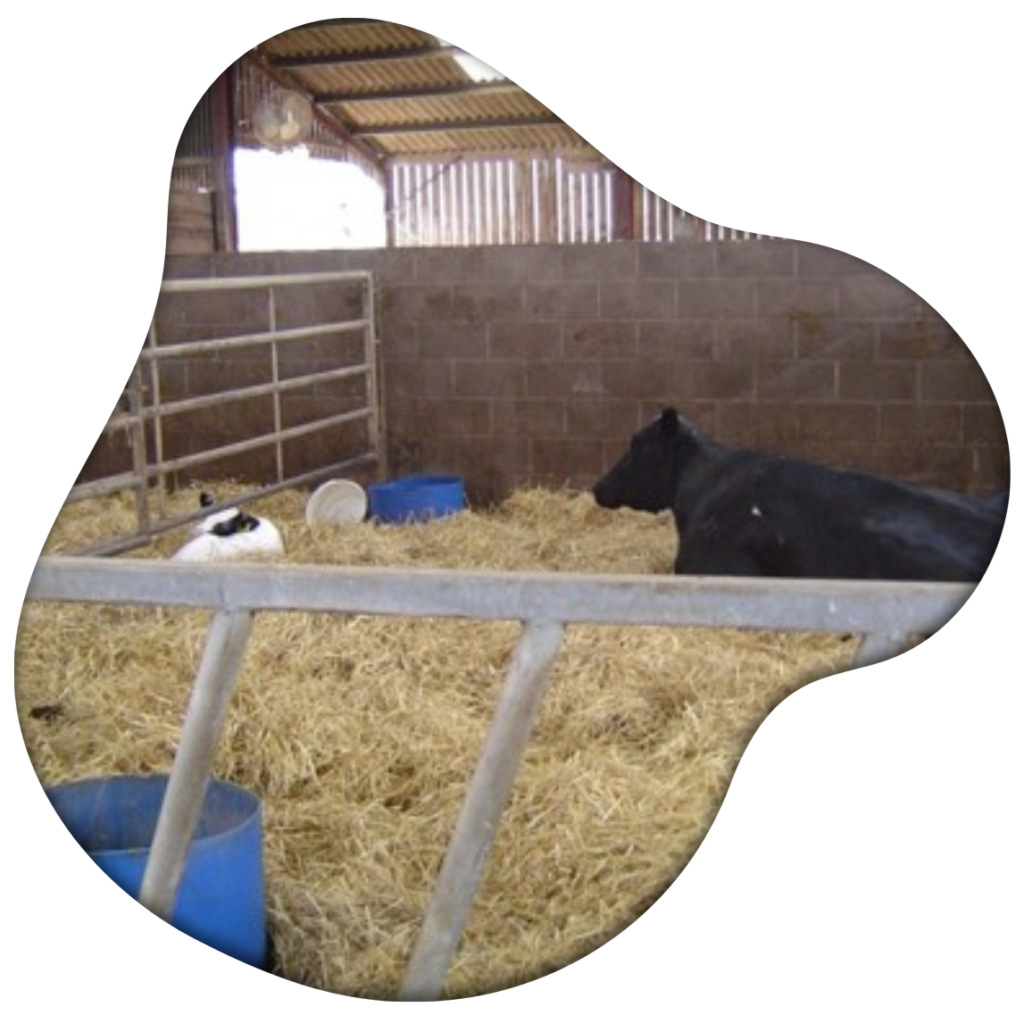
Whilst many infected cows never go on to develop the classic signs of extreme weight loss, infected cows are very likely to have reduced performance and are very likely to shed bacteria in dung and milk. Shedding of bacteria poses a huge infection risk to young animals and therefore segregation of infected cows around calving is an essential step for reducing prevalence.
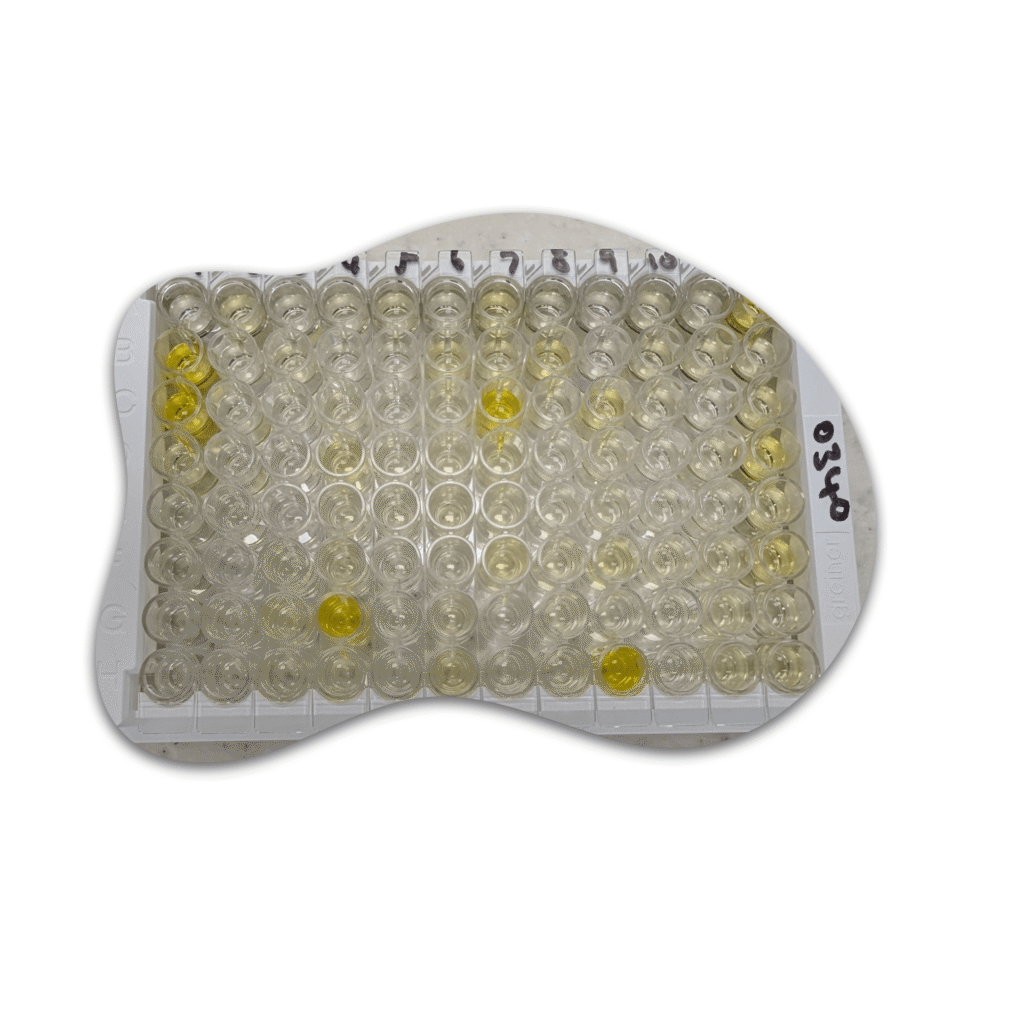
Milk ELISA tests offer a rapid, cost effective and valuable method of monitoring the herd prevalence of MAP infection, allowing timely and evidence-based implementation of control strategies. Individual cow milk ELISA testing allows you to screen cows for antibodies to infection and highlight positive cows (and therefore those likely to be infected) and manage them differently to break the cycle of transmission.