
We offer a full range of bacteriological analyses from individual cow samples to bulk tank analyses, as well as analysis of dairy products, water, bedding materials and udder cloths. We aim to tailor bacteriology to the individual farm, ensuring that we make cost effective use of your investment – we won’t sell you tests you don’t need. As with all our services, results are backed by RCVS Recognised Specialist veterinary advice. We are happy to explain test results, and advise on the next steps to remedy the problem. Our individual cow bacteriology exceeds the recommendations of the National Mastitis Council (NMC) and is designed to maximize the opportunity of isolating and identifying the problem pathogens on your farm. Our advice is based on published research combined with our own wide experience.
1. Clinical mastitis
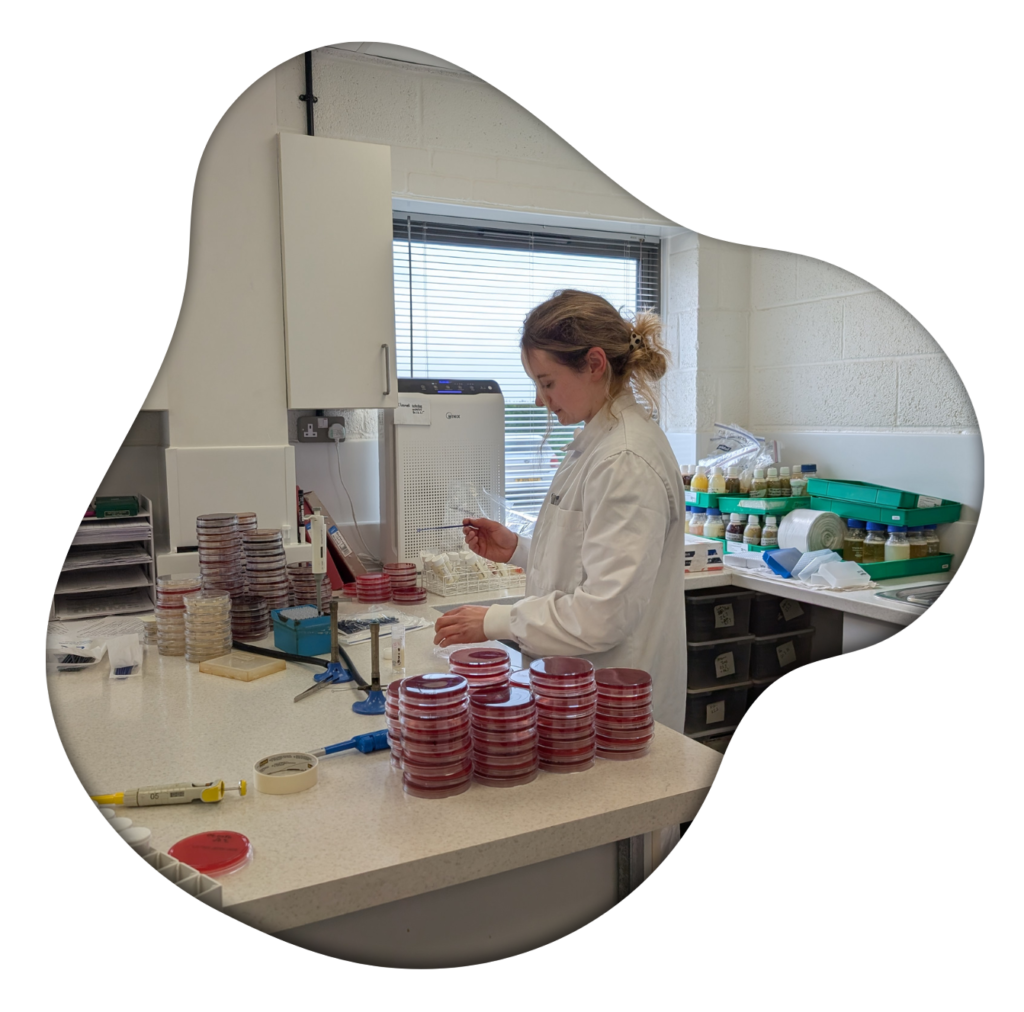
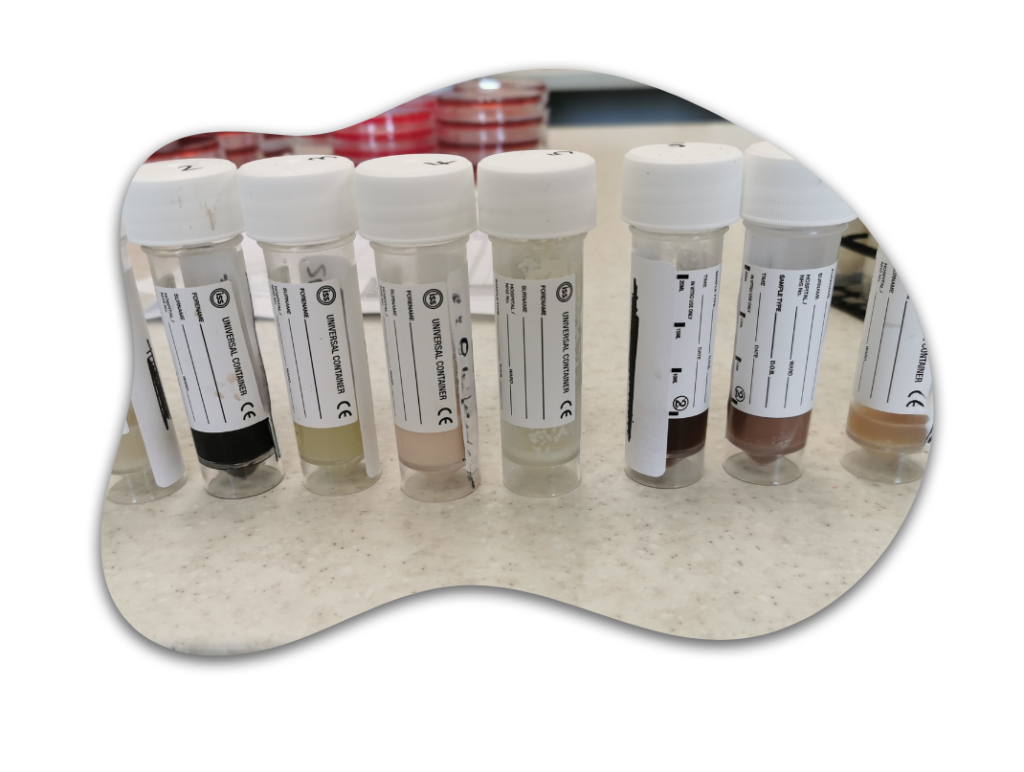
Our individual cow bacteriology uses a full range of laboratory tests and a standard 72 hour incubation period to identify causal bacteria and does not make ‘presumptive’ diagnoses. Samples that are collected from clinical cases and/or high somatic cell count cows arrive at the lab and are plated out onto different media to enhance recovery of pathogens, particularly E. coli and Streptococcus uberis. Growth of bacterial colonies occurs from 24 hours – but can take as long as 72 hours for some species. Initial diagnosis is made using bench tests before colonies are transferred to MALDI-TOF for definitive diagnosis. Interim reports are made available from 24 hours if required – final reports are sent after 72 hours incubation by email.
Sensitivity. We routinely test all Staphylococcus aureus isolates for penicillin sensitivity as this can be a useful indicator of likely response to treatment. Full antimicrobial sensitivity profiles can be requested for major Gram-positive and negative bacteria.
2. Streptococcus uberis strain typing
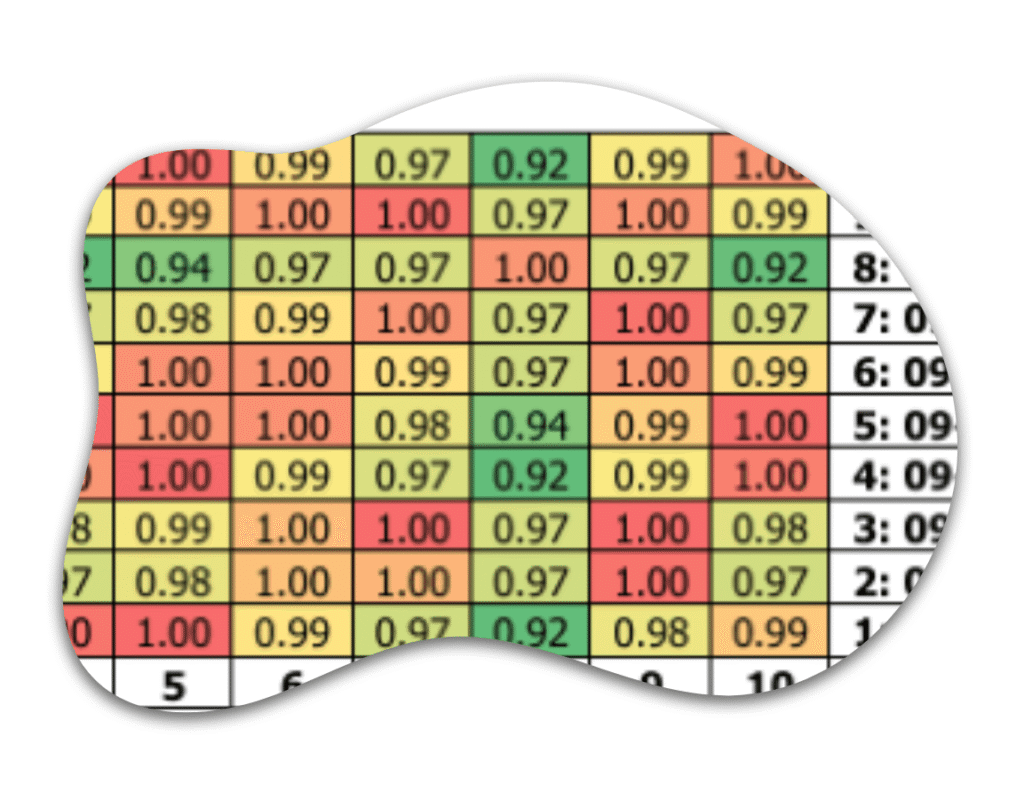
Where managing a farm with a high prevalence of Streptococcus uberis it is important to understand the epidemiology of infections. QMMS has developed a novel test, using MALDI-TOF to differentiate environmental from contagious strains of S. uberis. Each isolate can be compared against isolates identified from other cows to assess whether contagious spread is likely to be occurring.

3. Bulk tank milk / bactoscan
To investigate problems in bulk milk we use “differential counting” methods for different types of bacteria, to enable identification of the source of the problem. In addition, we identify the predominant bacterial species as this can help identify bactoscan problems caused by mastitis pathogens or poor water quality.
For a rapid assessment of bactoscan, we can now offer same-day results using our bactoscan machine. Please contact us in advance of sending in samples if you would like a ‘same-day’ result.

4. Water
Bacteria in water samples can be identified and counted, for investigative purposes, or to meet the requirements for Farm Assurance. Where using borehole water in the parlour, biannual water testing is recommended. Often mastitis or bulk tank problems can be traced to a water source.
5. Bedding materials
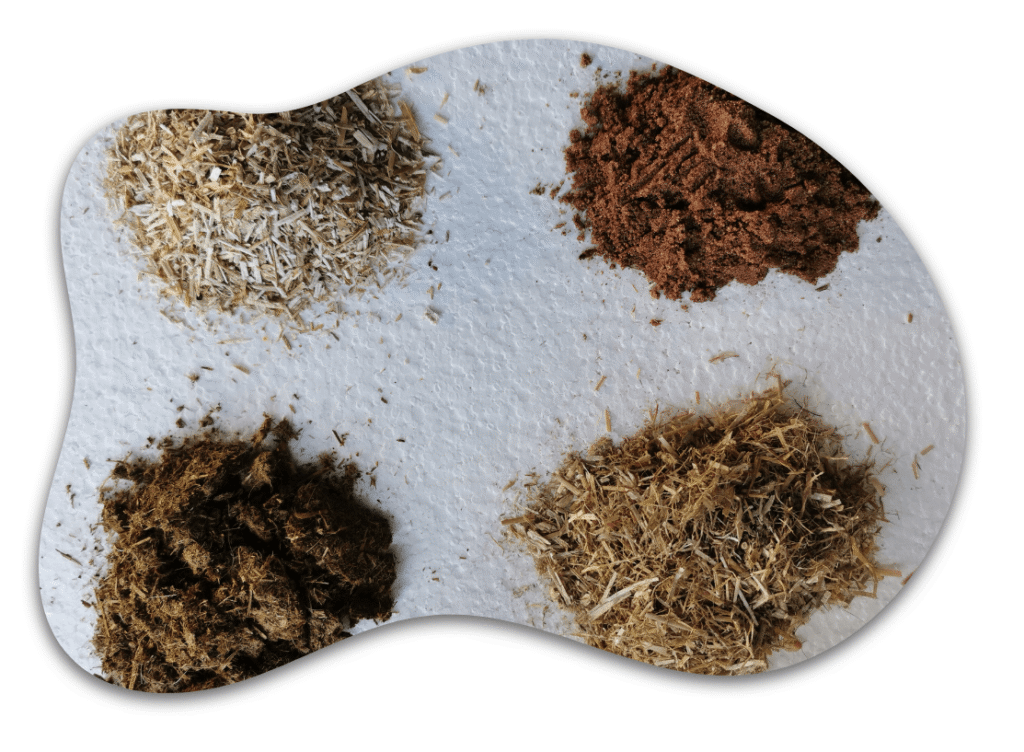
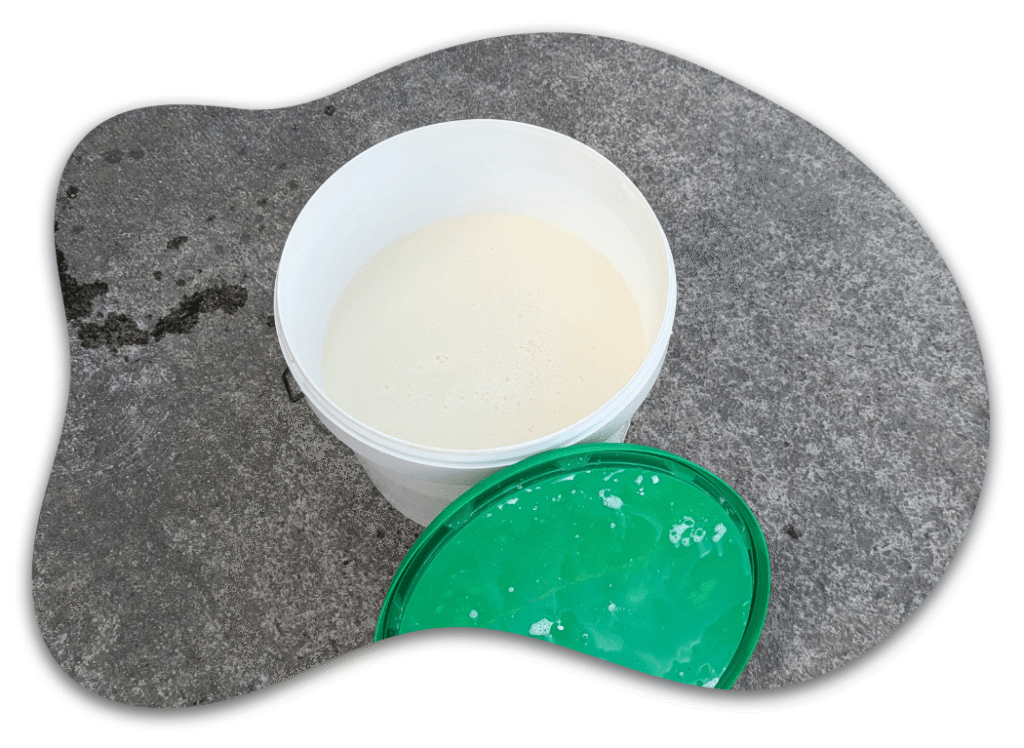
In 2013, QMMS won the tender for a study commissioned by AHDB into the risks associated with using Recycled Manure Solids (RMS) as bedding for dairy cows, and this was followed by a large study funded by the Welsh Government. Through this project QMMS developed experience in analysis of bedding materials and an extensive database of results, allowing benchmarking of further samples. The findings of the study informed the current requirements and recommendations for the use of RMS as bedding
6. Other
We have developed appropriate methodology and expertise for analysing other types of samples, including udder cloths, colostrum and calf milk replacer.
FAQs
Why should I submit samples for bacteriology?
Sampling cases of clinical mastitis and periodically submitting these for bacteriology testing will give valuable information about the type of bacteria causing infections. This information can be used alongside cell count and mastitis case data to provide insight into appropriate changes required to improve udder health. Identification of the common pathogens causing mastitis on your farm can be useful to inform treatment decisions, both during lactation and over the dry period.
Do I have to freeze samples for bacteriology?
If you are collecting samples from clinical cases or high cell count cows, freezing allows the sample to 'keep' for longer, and frozen samples will remain viable for 6 months, allowing batches of samples to be submitted. If you are submitting bulk tank samples or water samples for differential counts, these must NOT be frozen as it can reduce recovery.
What about testing for Mycoplasma species?
QMMS offers Mycoplasma culture and speciation, although this can take up to 2 weeks as Mycoplasma species are slow growing. Bear in mind that some Mycoplasma bacteria are less pathogenic than others. Whilst samples are incubated for Mycoplasma culture, standard bacteriology testing is also carried out to rule out involvement with other pathogens.
Do you test all isolates for sensitivity to antibiotics?
No, we only test isolates from samples as requested. However, we routinely test all Staphylococcus aureus isolates from cattle mastitis for penicillin sensitivity as this can be a useful indicator of likely response to treatment.
Is it worth culturing my bulk tank to try to identify mastitis pathogens?
This is a difficult question and the answer is not straight forward. In reality it depends on what pathogens you are looking for. For contagious pathogens that are ‘specific’ to the udder, such as Streptococcus agalactiae and to a lesser extent Staphylococcus aureus this can be a useful screening exercise (though the former is now very rare in the UK). It can also be a useful way to screen a herd for the presence of Mycoplasma spp. However, for most bacterial species (particularly environmental organisms) bulk tank bacteriology is NOT useful as the organism is unlikely to have originated from another infected cow. That said, on occasions the presence of large numbers of Streptococcus uberis in a bulk milk sample can reflect the presence of an infected cow in the herd.
To inform our “selective dry cow therapy”, should we do some bacteriology? If so what’s appropriate?
We recommend strategic sampling of some high SCC cows in late lactation to better understand the pathogens you need to cure at drying off and of clinical mastitis cases in early lactation to get an insight into the main pathogens causing new intramammary infection in the dry period. A bulk tank sample is NOT an appropriate way to guide antibiotic use at drying off.